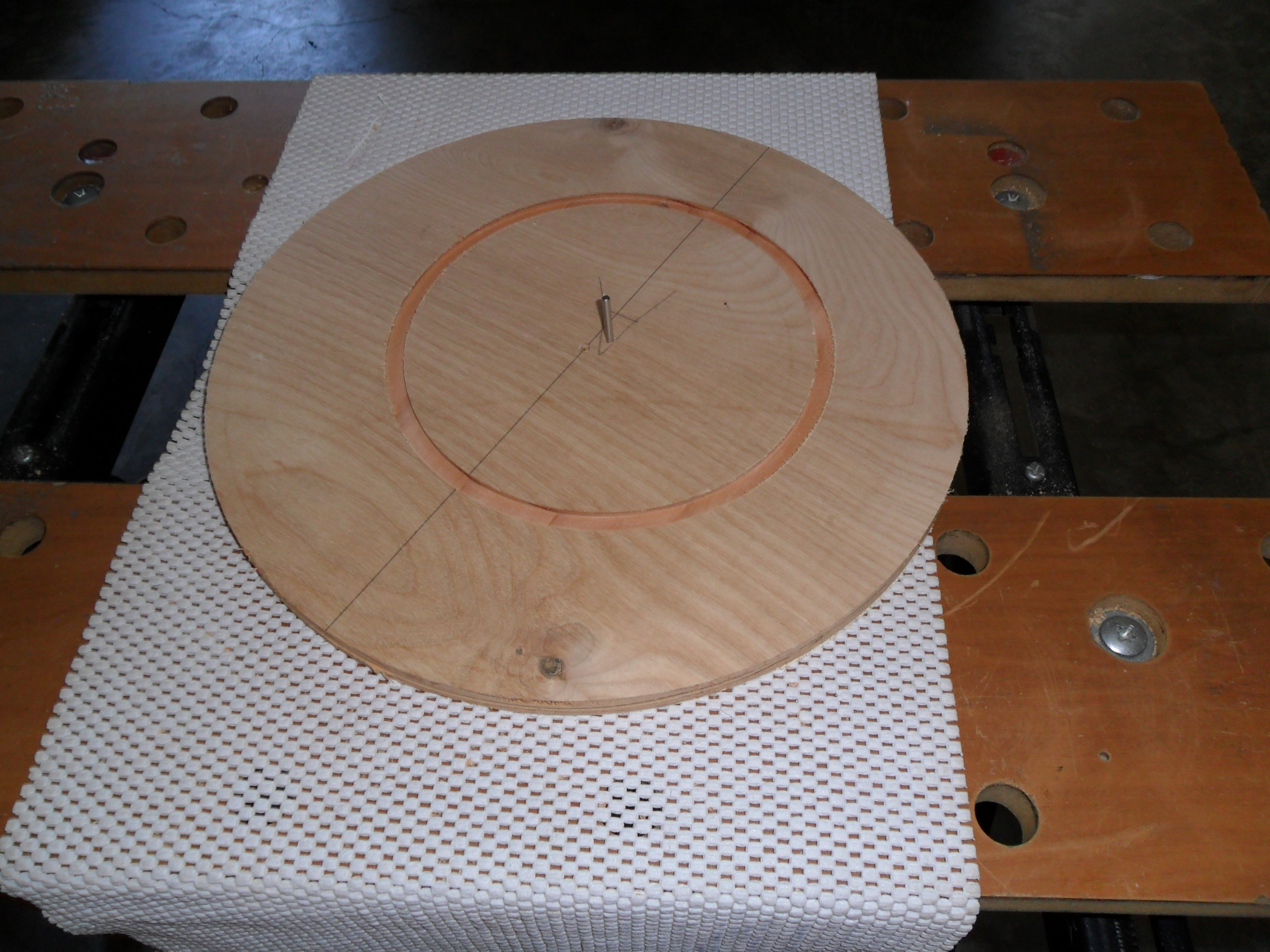
In preparation to make the "Next Generation" of knife-edge baffles for
the Jaegers 6" f/10 "Gelinda J. Dawson" refractor, and after some
serious research considering a number of materials and means of
fabrication, I came up with the great idea of using polycarbonate
(Lexan). Why I chose polycarbonate you ask? Well, in making this
choice I wanted a material that was strong, inexpensive, easy to
machine that would require minimal finishing effort and that would
allow me to machine a really nice knife-edge with relative ease. I
could have used thin sheets of aluminum as I did made for my Carton
100mm f/13, but even it required me to do some risky MacGyer tactics
to make them. Then there were those CD baffles I made for the first
refractor I constructed, the Surplus Shed 5" f/9.4 "Brigadier General
Richard Pierce" refractor. But, though they were effective, they
became a fabrication nightmare from the start. I have to say though, I
have learn quite a bit going down those refractor build roads, which
lead me to this method.
So, with my decision made to go with
polycarbonate, it was time to setup the simple operation to fabricate
the knife-edge baffles. This page, and the next will show exactly what
I mean. In the image above is a circular piece of 1/2" plywood that
will be used as a sacrificial base as the baffles are cut out from the
Lexan to the proper diameter, and when the knife-edges are milled in
each (four (4) in all). The 1/8" pin in its center will be utilized by
a Jasper Circle Guide jig attached to my Bosch Laminate Trimmer/
Router to create perfectly round eccentric 1/4" thick disks of
polycarbonate. I hope this method will be adopted by many of you. |
|